

Understanding the 1099 Contractor Role
A 1099 contractor is an independent worker who provides services to a business under a contract rather than as an employee. This classification, recognized by the Internal Revenue Service (IRS), indicates that the individual is responsible for managing their own business expenses and tax liabilities. Unlike traditional employees who receive W-2 forms and have taxes withheld from their paychecks, 1099 contractors receive Form 1099-MISC, which reports their earnings to the IRS. This status carries with it distinct implications for both the contractor and the hiring company.
One primary responsibility of 1099 contractors is handling their own income tax obligations. As independent workers, they are expected to report their earnings and pay self-employment taxes, which cover Social Security and Medicare contributions. This process necessitates diligent record-keeping and financial management throughout the year to ensure accurate reporting come tax season. Furthermore, contractors often need to make estimated tax payments quarterly to avoid penalties for underpayment.
In addition to tax responsibilities, 1099 contractors must operate as independent entities. This can entail forming a business entity, managing expenses, and obtaining any necessary licenses or permits related to the services they provide. Unlike employees, they are typically not provided with equipment, tools, or benefits by the hiring company; therefore, contractors are expected to supply their own tools and resources necessary to complete their work. This independence often allows contractors the flexibility to choose their projects and manage their schedules but also demands a proactive approach to business operations.
The Trade-Offs of Flexibility and Freedom
In the contemporary workforce, the role of 1099 contractors has garnered significant attention due to its inherent flexibility and freedom. This type of employment allows individuals to design their schedules around personal commitments, which can be especially advantageous for those juggling family responsibilities or pursuing other interests. The allure of remote agent gigs lies not only in the absence of a traditional office environment but also in the ability to choose which projects to take on based on one’s own preferences and expertise.
However, this flexibility does come with notable trade-offs. One major drawback is the lack of structured training opportunities that many traditional employees benefit from. As independent contractors, individuals are typically responsible for their own professional development, often leading to unpaid training periods that can become burdensome. Moreover, the responsibility of managing one’s own shifts may occasionally result in an irregular work-life balance, making it challenging to establish a consistent daily routine.
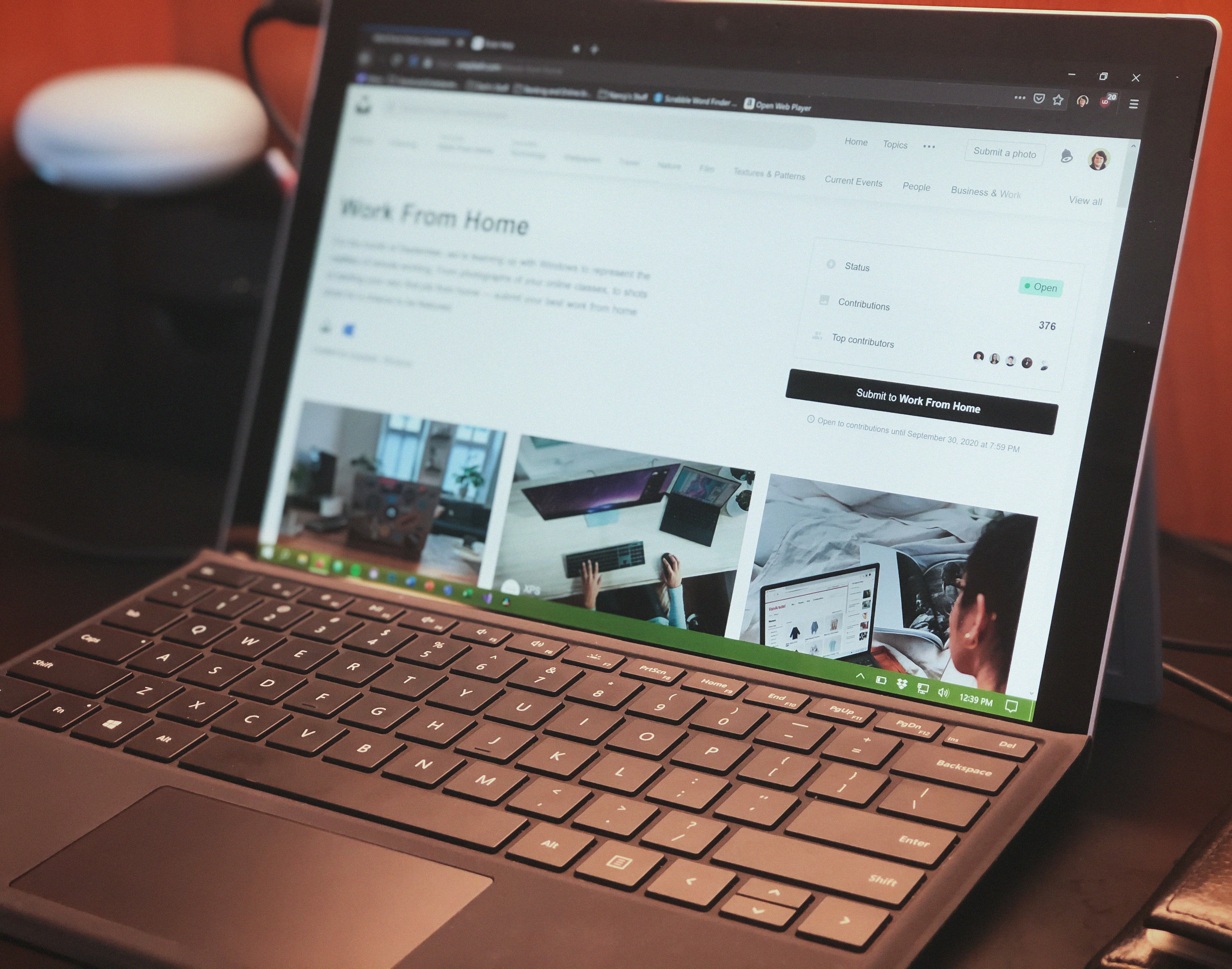
Another critical factor to consider is the necessity of a well-equipped home office. The convenience of working from home may lead one to underestimate the investment required in creating a productive workspace. An effective home office setup involves not only the right technology but also an environment conducive to focus and productivity. This can mean dedicating time and resources upfront to create a space that minimizes distractions and promotes efficiency.
While the flexibility and freedom associated with being a 1099 contractor can be enticing, it is essential for prospective contractors to weigh these benefits against the potential challenges. Understanding the implications of working independently is crucial for making an informed decision when embarking on this career path.
Investing in Your Remote Work Setup
For professionals engaged in 1099 contractor roles, investing in an appropriate remote work setup is paramount to ensuring productivity and efficiency. Unlike traditional employment, contractors often bear the responsibility for sourcing their equipment, which makes understanding essential tools an important aspect of maximizing performance.
At the core of any remote work setup is a reliable computer. Whether a laptop or desktop, the device should possess adequate processing power and memory to handle the specific tasks required in your freelancing jobs. Additionally, the operating system’s compatibility with necessary software applications is crucial. Investing in a quality computer not only enhances your workflow but can also prevent common technical aggravations associated with outdated systems.
Another indispensable tool is a good quality headset. Effective communication is central to remote working environments, particularly in contractor positions that may involve client calls or virtual meetings. A headset with noise-cancellation features can significantly improve sound quality, ensuring clear conversations and reducing distractions from surrounding noise.
A reliable internet connection is perhaps the most vital aspect of your remote work configuration. High-speed internet facilitates seamless communication and file transfers, which are essential in 1099 contractor roles. It may be worthwhile to invest in a strong Wi-Fi router or consider a wired connection, as this can provide a more stable online experience.
In addition to these primary tools, ancillary equipment such as webcams for video calls and ergonomic accessories can further enhance your remote workspace. When setting up your work environment, consider factors such as comfort and functionality. Investing in the right equipment is not just an expense but a foundational investment in your success as a remote contractor.
Background Checks and Upfront Investments
As independent contractors or remote agents, understanding the requirements surrounding background checks and any potential upfront investments is crucial. Many companies that engage 1099 contractors, such as Liveops, often mandate specific background checks to ensure a secure and trustworthy working environment. These checks typically encompass criminal history, identity verification, and employment history, thereby safeguarding the company’s interests and the confidentiality of clients.
The costs associated with these background checks can vary significantly depending on the provider and the depth of the investigation required. Potential contractors should be prepared for these expenses, as they are often borne by the individual rather than the hiring company. However, companies like Liveops may sometimes offset these costs or allow candidates to work while their background check is pending.
In addition to background checks, prospective contractors should also be aware of other financial commitments they may face before officially commencing work. For instance, remote agents must often equip themselves with reliable technology, including a high-speed internet connection, a computer, and specific software requirements. Such investments are essential to ensure seamless communication and efficient work practices, and these costs can add up to a significant amount initially.
Furthermore, some companies may require agents to invest in training materials or certifications, which are essential for specific types of work. It is essential for contractors to thoroughly review the requirements before signing any contracts and understand all potential investments required for them to fulfill their roles effectively. By being informed about these prerequisites, contractors can better plan their finances and ensure a smoother transition into their new remote gigs.
Beware of High Onboarding Fees and Vague Guarantees
In the pursuit of remote agent gigs, one must exercise caution, particularly when it comes to onboarding fees and guarantees. Many platforms that offer opportunities for 1099 contractors often impose significant onboarding fees, which can range from modest to surprisingly exorbitant amounts. Before proceeding with any platform, it is crucial to thoroughly investigate these fees to understand what you are paying for and whether it is justifiable. An essential aspect of this due diligence is evaluating what the platform guarantees in return for the onboarding fee.
Moreover, one common red flag that potential contractors should recognize is vagueness in the guarantees offered by these platforms. Often, unclear promises or vague language can mask underlying issues or indicate instability. If a platform advertises its benefits without specific metrics or clear details about job placements and income potential, it warrants a cautious approach. Opting for platforms that provide transparent information can help avert financial pitfalls.
Additionally, seeking testimonials and reviews from other contractors is imperative. Engage with forums, social media groups, or platforms like Glassdoor and Indeed, where former and current contractors often share their experiences. Positive reviews from a sizable number of users can indicate reliability, while persistent complaints about onboarding fees coupled with a lack of job security should serve as serious cautionary signals.
Ultimately, the goal is to ensure any investment in onboarding fees is a decision made with clarity and confidence. By prioritizing research, scrutinizing guarantees, and learning from the experiences of others, you can effectively navigate potential pitfalls and find legitimate remote agent gigs that offer both opportunity and security.
Establishing a Strong Professional Reputation
For 1099 contractors, establishing a strong professional reputation is crucial to securing ongoing gig opportunities and fostering repeat business. Every interaction with clients can significantly influence their perception of your work ethic, reliability, and expertise. Thus, creating a good first impression involves being responsive, reliable, and maintaining a high standard of professionalism.
Being responsive means promptly addressing any communication from clients—whether it be through emails, messaging platforms, or phone calls. Quick responses demonstrate that you value your clients’ queries and time, which can be pivotal in setting the tone for a positive working relationship. Moreover, it can also improve contract renewals and referrals, as clients often appreciate those who prioritize communication.
Reliability is equally essential; it encompasses not only meeting deadlines but delivering quality work consistently. Arriving at agreements with clear timelines and sticking to them helps build trust with your clients. When you commit to a specific task, ensure to deliver on those commitments. Should unforeseen circumstances arise, transparently communicating with clients will help mitigate potential misunderstandings.
Moreover, portraying professionalism goes beyond just completing tasks on time. It involves showing respect, being courteous, and maintaining a positive attitude even in challenging situations. This professionalism instills confidence in clients, assuring them that they are working with a dedicated and competent contractor.
In summary, cultivating a strong professional reputation as a 1099 contractor entails being responsive, reliable, and maintaining professionalism. When these qualities are effectively integrated into your approach, you are more likely to attract high-quality gigs and establish rewarding long-term relationships with your clients.
Top 10 Contracting Platforms to Consider
In the rapidly evolving landscape of remote work, finding reliable contracting platforms can significantly enhance your job search and project management experience as a 1099 contractor. Here are ten noteworthy platforms that cater specifically to remote agents, each offering unique features.
1. Upwork – Known for its vast array of job listings across various fields, Upwork provides flexibility in project lengths and can connect contractors with clients from around the globe. However, contractors should be wary of high service fees, which can impact overall earnings.
2. Freelancer – This platform offers extensive job categories, allowing contractors to bid on projects that match their skills. While it promotes competitive pricing, the bidding system may sometimes undervalue experienced freelancers.
3. Fiverr – Focused on gig-based jobs, Fiverr enables agents to offer specialized services. It is quick to get started but does require strategic marketing to stand out among numerous offerings, which can pose a challenge for new contractors.
4. Toptal – Toptal targets high-end freelancers in software development, design, and finance. While it offers exclusive opportunities, the rigorous screening process can be a barrier for many aspiring contractors.
5. Guru – This platform allows freelancers to showcase portfolios and gain client trust through reviews and ratings. The workroom feature aids in collaboration, yet contractors should be cautious of the fee structure, which can vary significantly.
6. PeoplePerHour – catering primarily to European contractors, this platform allows users to set their hourly rates. However, contractors might face challenges with payment security and project disputes.
7. FlexJobs – Focusing on vetted remote jobs, FlexJobs provides contractors access to trustworthy listings. The subscription model may be a hurdle for some, but the quality of leads can often justify the cost.
8. SimplyHired – This platform aggregates job listings across various sites, making it a comprehensive search tool for contractors. Despite its extensive database, job quality may vary, necessitating erudite evaluation before applying.
9. Nexxt – Nexxt stands out for its user-friendly interface and diverse job categories. It champions targeted job alerts; however, contractors should be prepared for occasional spam listings.
10. We Work Remotely – Specializing in remote job opportunities, this platform curates listings in various sectors. While the focus on remote work is a significant advantage, competition can be higher for popular roles.
Ultimately, choosing the right contracting platform depends on individual preferences, skills, and the willingness to navigate potential challenges. Each platform carries its strengths and weaknesses, making it essential for contractors to research and select the option that aligns best with their career goals.
Tips for Managing Your Time and Work-Life Balance
For 1099 contractors engaged in remote work, effective time management and maintaining a healthy work-life balance are pivotal in achieving productivity and job satisfaction. The fluidity of remote work can often blur the lines between personal and professional responsibilities. Therefore, implementing structured strategies is essential for optimizing performance and well-being.
Firstly, set a clear and consistent work schedule. Designating specific working hours helps create a routine that signals to both you and others when you are available for work-related tasks. This consistency not only boosts productivity but also allows time for personal engagements, promoting a balanced life. Utilize digital calendars or project management tools to outline your day, ensuring you allocate time for breaks and personal activities.
Establishing clear boundaries is equally important. Communicate your availability to coworkers, clients, and family members, setting expectations regarding your work hours. This helps reduce interruptions during your designated work time and allows you to focus on your tasks. Furthermore, create a dedicated workspace that is distinct from personal areas, minimizing distractions and allowing for a mental separation between work and leisure.
Avoiding burnout is a critical component of work-life balance. Schedule regular breaks throughout your day to recharge. Techniques such as the Pomodoro Technique, which involves working for focused intervals followed by short breaks, can enhance concentration and prevent fatigue. Additionally, engage in physical activity or mindfulness exercises during your breaks to manage stress and promote mental clarity.
Incorporating these strategies will empower 1099 contractors not only to manage their time effectively but also to cultivate a sustainable work-life balance, ultimately leading to enhanced job satisfaction and well-being.
Final Thoughts: Thriving as a 1099 Contractor
Becoming a 1099 contractor can be both an exciting and challenging opportunity for those looking to work remotely. As you embark on this journey, it is essential to weigh the benefits and drawbacks of such an arrangement. Contracting offers a level of flexibility often unmatched by traditional employment, allowing you to set your own schedule and choose projects that align with your skills and interests. However, this freedom comes with the responsibility of managing your finances, including self-employment taxes, health insurance, and retirement savings.
Successful 1099 contractors understand the importance of financial literacy. Since taxes are not withheld from your earnings as they are in traditional employment, meticulous record-keeping is necessary. Utilizing accounting software or consulting with a financial advisor will help you stay organized and ensure compliance with tax requirements. Moreover, allocating a portion of your income for taxes will prevent any surprises at the end of the year.
Networking is another critical aspect of thriving as a 1099 contractor. Building relationships with other professionals can lead to referrals and new opportunities. Engaging with social media platforms, industry forums, or local meet-ups can expand your professional circle. Staying informed about industry trends and honing your skills through continued education will also position you favorably in a competitive market.
While the path of a 1099 contractor may come with uncertainties, those who approach this career choice with informed optimism can find fulfillment and success. Evaluating your personal goals, financial situation, and risk tolerance is essential in making this leap. Embrace the autonomy that comes with being a contractor while remaining mindful of the responsibilities that accompany it. Overall, with careful planning and proactive engagement, you can thrive as a 1099 contractor in the remote work landscape.

0 Comments